Xue Manzi
China's first angel investor · UTStarcom co-founder · founder of Manzi Capital. This page is condensed from his autobiography《蛮子传》.
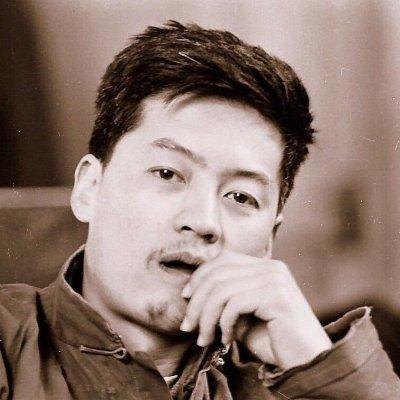
“I've been an investor all my life. This time, I want the judgement my generation earned across cycles to be executed by the next — discipline over emotion, speed over hesitation, running around the clock.”
Xue Manzi was born in Beijing in 1953. After a youth marked by China's upheavals, he won a place at the Graduate School of the Chinese Academy of Social Sciences and a full scholarship to the University of California, Berkeley. In the United States he built his first capital through real estate.
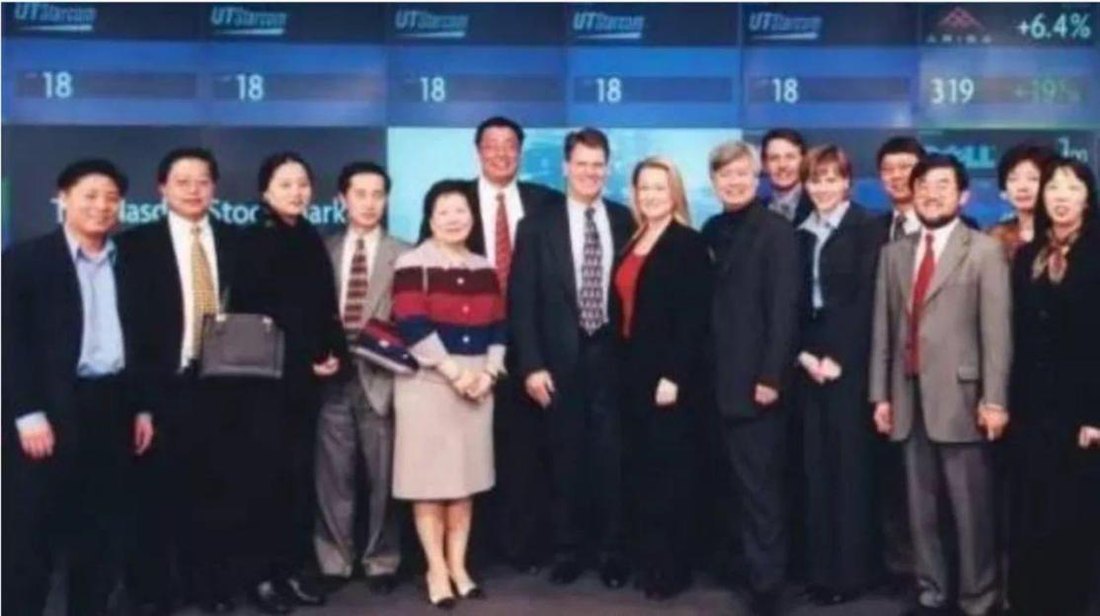
In the 1990s he co-founded UTStarcom — formed by merging Unitech and Starcom — serving as vice chairman. In a meeting with SoftBank's Masayoshi Son, a single line — "if every person in China buys one, that's 1.2 billion" — won SoftBank's backing; Son invested USD 160 million in total. In March 2000 UTStarcom listed on NASDAQ, the first Chinese private company to do so, at a market cap once above USD 10 billion. It was the source of his first fortune — a USD 250k personal stake that grew to about USD 125 million.
He then became China's first-generation — and widely called China's first — angel investor, backing nearly 100 companies. Cases include investing in Alibaba among the earliest round alongside Masayoshi Son; chairing China's first e-commerce site 8848, where he brought together SoftBank, IDG and Jerry Yang; co-investing with IDG in Cai Wensheng's 265.com (later acquired by Google); and backing Li Xiang's PCPOP, Autohome (NYSE: ATHM) and Li Auto, as well as Xueqiu.
Beyond investing, he is a Weibo opinion leader with millions of followers who launched public-good campaigns such as anti-trafficking and Free Lunch, founded the self-media《蛮子文摘》, and established the China Angel Association. In recent years he turned to blockchain and crypto — founding Manzi Capital to extend his cross-cycle judgement on-chain: founding the AI quant crypto fund Quantum Dream Fund I and strategically backing the on-chain capital platform NovaMarket.
Track record
Born in Beijing
Raised in a red-aristocrat family; a youth shaped by the era's upheavals.
Study & America
Graduate School of CASS, then a full scholarship to UC Berkeley; built his first capital via U.S. real estate.
Co-founded UTStarcom
Merged Unitech and Starcom, served as vice chairman; raised USD 160M from SoftBank's Masayoshi Son. NASDAQ IPO in Mar 2000 — the first Chinese private company on NASDAQ — his first fortune.
China's first angel investor
Turned full-time to angel investing in nearly 100 companies: Alibaba (earliest round), 8848 (chairman), 265.com (Cai Wensheng), Autohome / Li Auto (Li Xiang) and more.
Public good & self-media
A Weibo opinion leader with millions of followers; launched anti-trafficking and Free Lunch campaigns, founded《蛮子文摘》, and the China Angel Association.
Crypto cycle
Turned to blockchain and crypto — founding Manzi Capital, the AI quant crypto fund Quantum Dream Fund I, and strategically backing NovaMarket.
Representative cases
- UTStarcom (co-founder · NASDAQ)
- Alibaba (earliest-round investor)
- 8848 (China's first e-commerce · chairman)
- 265.com · Cai Wensheng (later Google)
- Autohome · Li Xiang (NYSE: ATHM)
- Li Auto · Li Xiang
- Xueqiu
- Blood Romance (film & TV)
- NovaMarket (strategic investment)
- Quantum Dream Fund I (founded)
This page is condensed from Xue Manzi's autobiography《蛮子传》— representative credentials and cases (not a complete list); not investment advice or a performance promise. The full book is available to download.